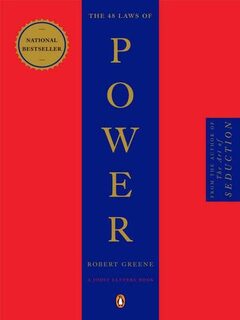
 The 48 Laws of Power
Affiliate links: Sticky Idea may earn a commission, at no extra cost to you.
Greene distills three thousand years of history, from courtiers and generals to con artists, into 48 laws describing how power is gained, kept and lost. Each law is illustrated with stories of people who followed or broke it. The book is deliberately amoral: it describes how power games work so that readers can recognize them, defend against them or use them.
- Power runs on perception
- Don't outshine your superiors
- Recognize the game being played
Is it worth reading?Yes, as a gripping study of human behavior and history, if you read it critically. Many laws are cynical or contradict each other, so treat it as a field guide to tactics, not a moral code.
The 3 big ideas from The 48 Laws of Power
Power runs on perception
How you are seen often matters as much as what you do. Reputation, timing and appearances shape what others believe about you and how much influence you have.
Don't outshine your superiors
Making those above you feel insecure is risky. Throughout history, people who displayed their talent too openly provoked resentment from those with the power to stop them.
Recognize the game being played
Many of the laws describe manipulation. Even if you never use them, knowing the tactics helps you notice when flattery, secrecy or pressure is being used on you.
FAQ
What is the main idea of The 48 Laws of Power?
That social power follows recurring patterns visible throughout history, and that understanding those patterns lets you protect yourself and act more strategically.
Is The 48 Laws of Power worth reading?
Yes, as a gripping study of human behavior and history, if you read it critically. Many laws are cynical or contradict each other, so treat it as a field guide to tactics, not a moral code.
Who should read The 48 Laws of Power?
Readers interested in history, strategy and office politics, and anyone who has felt outmaneuvered and wants to understand how it happened.
More like The 48 Laws of Power
 Influence
 The Art of Thinking Clearly
 Never Split the Difference
 Meditations
Did you find what you were looking for?
Thank you. We read every answer, and pages get fixed from what readers tell us.