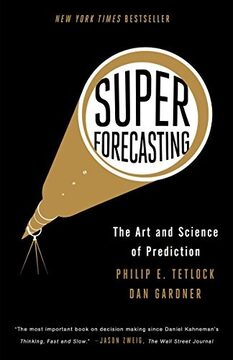
 Superforecasting
Affiliate links: Sticky Idea may earn a commission, at no extra cost to you.
Based on a large forecasting tournament, Tetlock shows that some ordinary people predict world events far better than most experts, and that the skill can be learned. These superforecasters break big questions into smaller ones, start from base rates, think in fine-grained probabilities, update often in small steps and keep score so they can learn from their misses.
- Forecasting is a skill
- Start from the outside view
- Update in small steps
Is it worth reading?Yes, it is one of the best books on judgment under uncertainty, grounded in real data rather than anecdotes. Readers who want only quick tips may find the research detail slow.
The 3 big ideas from Superforecasting
Forecasting is a skill
Good forecasters are not psychics. They are curious, open-minded and careful with numbers, and they get better with practice and honest feedback.
Start from the outside view
Before looking at the details of a case, ask how often similar events happen in general. Then adjust for the specifics. This anchors you against stories that feel convincing.
Update in small steps
When new information arrives, change your estimate, but by a measured amount. Both stubbornness and overreaction hurt accuracy.
FAQ
What is the main idea of Superforecasting?
That accurate prediction is possible within limits, and that it comes from a learnable way of thinking: probabilistic, humble, self-critical and constantly updated.
Is Superforecasting worth reading?
Yes, it is one of the best books on judgment under uncertainty, grounded in real data rather than anecdotes. Readers who want only quick tips may find the research detail slow.
Who should read Superforecasting?
Analysts, investors, managers, journalists and anyone who has to estimate what will happen next and wants to be right more often.
More like Superforecasting
 Thinking in Bets
 Noise
 Thinking, Fast and Slow
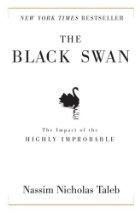 The Black Swan
Did you find what you were looking for?
Thank you. We read every answer, and pages get fixed from what readers tell us.