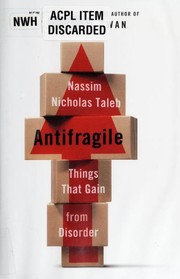
 Antifragile
Antifragile
Taleb names a property language had no word for: antifragility — the quality of things that don't just survive stress and disorder but actually improve from them. Fragile things break under shocks, robust things resist them, but antifragile things (muscles, immune systems, good ideas) get stronger. The book argues we should build lives and systems that gain from volatility rather than trying to predict and suppress it.
- Antifragile beats merely robust
- Small stressors make you stronger
- The barbell strategy
The 3 big ideas from Antifragile
Antifragile beats merely robust
Robust things withstand shocks; antifragile things benefit from them. Taleb argues we should stop trying to eliminate volatility and instead position ourselves to gain from it.
Small stressors make you stronger
Like muscles responding to exercise or bones to load, many systems need doses of stress to grow. Removing all volatility (over-protecting, over-medicating, over-stabilizing) tends to create hidden fragility.
The barbell strategy
Combine extreme safety with small, capped exposure to big upside — instead of a fragile middle. Most downside is protected while you stay open to rare, outsized gains from disorder.
Read the ideas free
FAQ
What is the main idea of Antifragile?
That some things gain from disorder, stress, and volatility rather than being harmed by it. Taleb calls this antifragility and argues we should design our lives and institutions to benefit from shocks instead of fearing them.
Is Antifragile worth reading?
Yes if you want a genuinely original mental model and don't mind a long, opinionated, digressive style. It's the most ambitious book in Taleb's Incerto series and rewards patience.
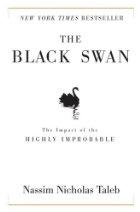
Do I need to read The Black Swan first?
No. Antifragile stands on its own, though it builds on ideas about unpredictability from The Black Swan. Reading either first works fine.